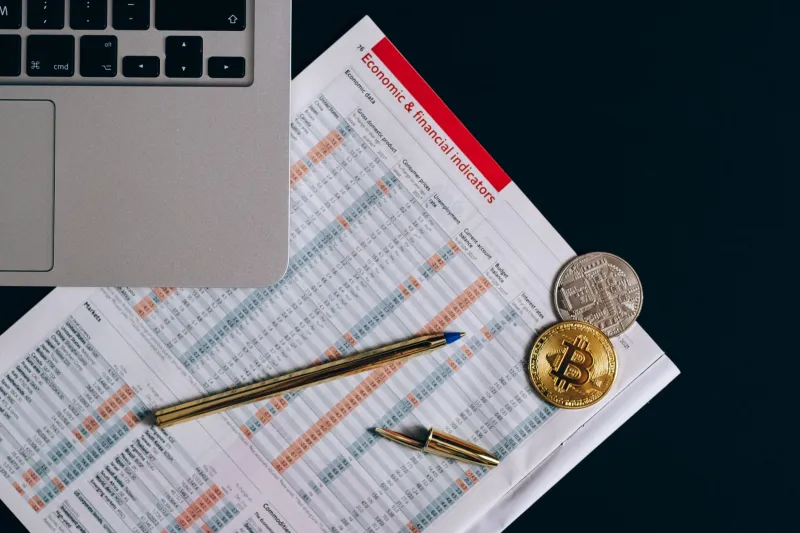
Discovery Subpoenas and Seed Phrases: How US Divorce Courts Are Reaching Into Cold Wallets
Photo: Noracrentiss, CC BY-SA 4.0, via Wikimedia Commons
There is a persistent belief in crypto circles that a seed phrase stored in your head is beyond the reach of any court. Divorce proceedings are steadily dismantling that belief. Across US jurisdictions, family courts treat self-custodied digital assets as marital property subject to disclosure — and they have developed a toolkit for finding and valuing them that surprises even experienced investors.
Disclosure Is Not Optional
In most states, both spouses file financial affidavits under penalty of perjury, and digital assets are explicitly within scope. The Uniform Law Commission's model framework on digital assets, adopted or considered in a growing number of states, has made it harder to argue that a cold wallet is somehow categorically different from a brokerage account. Omitting holdings is not a gray area — it is grounds for sanctions, adverse inference instructions (the court assumes the hidden assets were worth what the other side claims), and in aggravated cases, fraud referrals.
Critically, disclosure obligations attach to the asset, not the access. You can be required to disclose a holding you claim you cannot currently move.
The Forensics Are Better Than You Think
Opposing counsel increasingly retain blockchain analytics firms — the same ones serving federal investigators — to trace on-chain activity. Wallet clustering, exchange withdrawal patterns, and timing correlations with known deposits make the argument that funds 'don't exist' remarkably fragile. A transfer to self-custody during the marriage is, if anything, easier to document than an offshore account: the ledger is public.
Discovery mechanisms compound this. Subpoenas to exchanges can surface historical fiat on-ramps, KYC records, and withdrawal addresses. Tax filings — Form 8949 line items, digital asset questions on Form 1040 — have become routine exhibits. If you ever reported crypto activity to the IRS, assume a capable divorce attorney will find it.
'Lost' Seed Phrases and Judicial Patience
What happens when a spouse swears the words are gone? Courts have several remedies. They can impute value — awarding the other spouse an offsetting share of other marital assets based on the estimated holdings. They can order production under penalty of contempt, with coercive sanctions accruing daily. Some jurisdictions have gone further, treating a refusal to cooperate as equivalent to dissipation of assets.
Genuine loss is a defense; implausible loss is a strategy, and judges have heard it before. A wallet that received funds monthly until the year the marriage collapsed, whose keys suddenly vanished, invites skepticism that translates directly into financial consequences.
Documenting Before the Dispute
For investors who are married or may be, the practical guidance is unglamorous but decisive:
- Date-stamp acquisition. Keep records showing which holdings predate the marriage or came from separate property — commingling is what converts separate assets into marital ones.
- Maintain an inventory with a neutral third party. A attorney-held or escrowed summary of holdings, without seed phrases, establishes good faith and simplifies valuation.
- Consider a postnuptial agreement that expressly addresses digital assets, their valuation methodology, and disclosure procedures.
- Never move assets after a dispute begins. Transfers made under marital strain are the single fastest route from a civil matter to a criminal one.
Self-custody changes who holds the keys, not who holds the rights. A 24-word phrase can secure a wallet against hackers; it has never secured one against a subpoena, a forensic analyst, and a judge with time to be thorough.